
How a Broadcast Wheel Round Really Pays Out

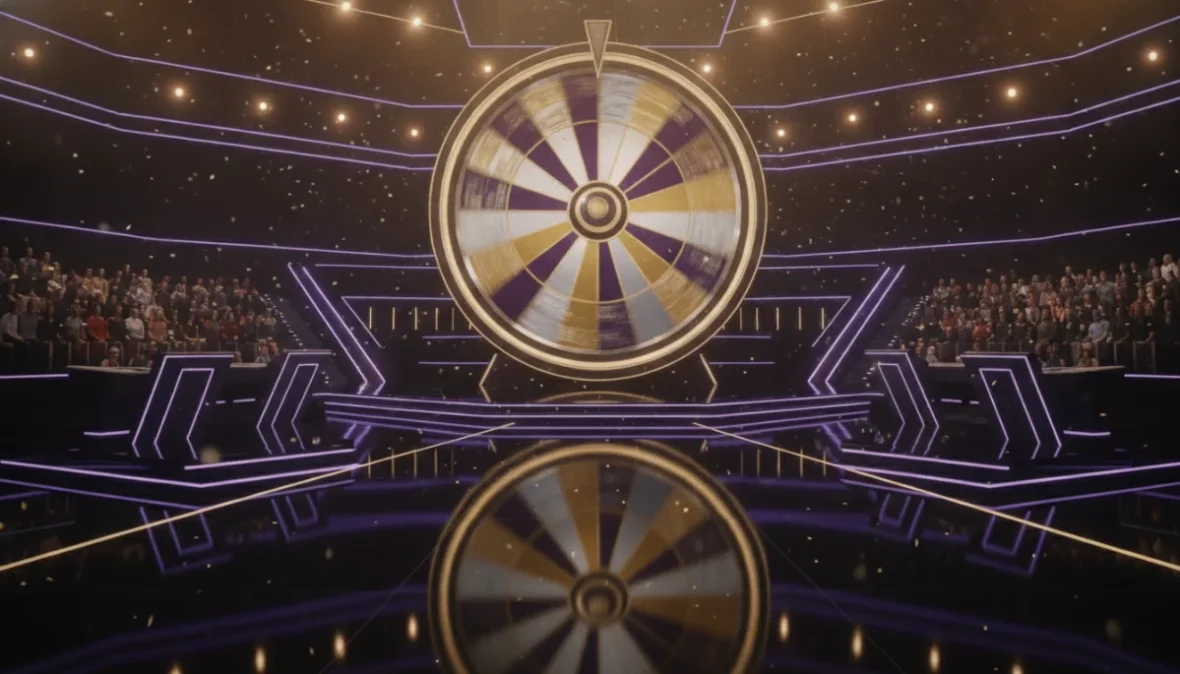
Live dealer wheel games have turned a simple spinning format into a full-scale entertainment product. A host runs the round from a studio, players place their stakes on the same shared result, and the whole experience blends television pacing with casino-style risk and reward.
That mix explains why these games keep attracting attention. They are easy to understand at first glance, but the deeper you look, the more structure you find behind the wheel, the multipliers, and the bonus paths. Once you know how the round is built, the appeal becomes much clearer.
This guide breaks down how the format works, why certain titles became so popular, what the published return figures really mean, and how to enjoy the action without losing track of the budget.
The Core Idea Behind the Format
At its simplest, a live wheel game asks players to predict where a physical wheel will stop. The wheel is spun by a presenter in a studio, the result is captured on camera, and everyone watching the same stream shares that outcome.
Three details set this format apart from a standard table game:
- Every wager in the round points to the same result, so there is no private hand or personal turn.
- The odds come from how the wheel is divided into numbered or symbolised sections, not from a card shoe or a separate reel set.
- Many modern versions include bonus stages that move the action into a second game with its own payout structure.
Most operators file these titles under game shows rather than table games, which makes sense because the presentation matters as much as the mathematics. The format relies on pace, anticipation, and a sense that something is happening in real time for a large crowd.
What Happens During a Single Round
Even though the production values vary from one studio to another, the rhythm of the round is usually very similar. That consistency is one reason new players can follow the action quickly.
The sequence usually looks like this:
- The betting phase opens for a short, fixed period, giving players only a brief window to choose a segment.
- A separate multiplier display may assign a boost to one outcome position for that round.
- The host spins the physical wheel and the cameras track the motion until the flapper settles.
- The round ends with either an immediate number payout or a transition into a bonus feature.
The multiplier step is the part that often causes confusion. It does not improve the odds of landing on a particular segment. Instead, it changes the return only if that exact segment is hit. In other words, the boosted result still has to be selected by the wheel first, which keeps the mechanic independent and unpredictable.
That separation between outcome and reward is what gives the format its tension. Players are not chasing certainty; they are buying a chance at a favourable combination.
The Titles Players See Most Often
A few major studios dominate the live wheel space, and their flagship games shape how the category is perceived. Some lean on simplicity, while others build entire bonus worlds around the wheel itself.
Here is a useful way to think about the best-known titles:
- Dream Catcher keeps the format direct and stripped back, with numbered segments and a clean, traditional wheel presentation.
- MONOPOLY Live adds a branded board-game feel and sends winning segments into a 3D bonus sequence with an animated host character.
- Crazy Time pushes the format into full game-show territory, mixing number bets with four different bonus rounds and very large top-end prizes.
- Funky Time expands the wheel with more segments and themed bonus paths, giving the studio a more playful style.
- Mega Wheel focuses on fast rounds and random multipliers, keeping the structure lean but still dramatic.
- Sweet Bonanza CandyLand turns a slot-style brand into a live bonus experience with a lighter, confectionery theme.
- Adventures Beyond Wonderland uses a fantasy setting and a dice-based bonus to create a more theatrical version of the formula.
What separates these games is not just theme. The size of the wheel, the number of bonus segments, and the payout range all affect how often the bigger moments appear and how volatile the session feels.
Why Some Games Feel Safer and Others Feel Wild
The published return-to-player figure is useful, but it does not tell the whole story. RTP is a long-run average, not a promise about what one session will return. A game showing 96% RTP is designed to hold roughly 4% over a very large sample, not to pay back 96% of every bankroll in the short term.
That distinction matters because different bets inside the same game can have very different values. One position may offer a steadier return, while a bonus wager may have a lower return but a much bigger ceiling. The same wheel can therefore feel conservative on one bet and highly volatile on another.
Volatility is the better word for the experience most players actually feel. A stretch of modest wins can be followed by a long dry spell and then a sudden bonus hit. That pattern is not a flaw in the game; it is the design.
It also helps to remember that the wheel has no memory. Previous results do not influence the next spin, and streak-watching does not change the underlying odds.
How the Biggest Studios Shape the Experience
The personality of a live wheel game comes from more than the maths. Presentation, branding, and bonus pacing all affect how long people stay engaged and how the game feels from one round to the next.
The industry leaders have each taken a slightly different route:
- Evolution tends to build polished, high-energy shows with strong visual production and layered bonus content.
- Pragmatic Play often keeps the rules more direct while adding large multipliers or compact round structures.
- Playtech leans into familiar branded worlds and a style that feels closer to a themed attraction.
That variety gives players options. Some want a straightforward number wheel with clear odds. Others want a show that feels closer to interactive television, complete with animated boards, character movement, and bonus segments that can change the mood of the room in seconds.
How to Read the Payoff Screen Properly
One of the smartest things a player can do is slow down and study the paytable before staking anything. The screen often shows several options, but those options do not always carry the same value or the same level of risk.
Keep these practical checks in mind:
- Look at the payout attached to each segment, not just the headline theme of the game.
- Check whether the game offers only number bets or also side bets and bonus entries.
- Notice whether multipliers apply to a single position or to multiple positions in a round.
- Find the RTP for the specific bet you intend to make, since the best return is not always on the most exciting option.
The strongest-looking prize is often attached to the least forgiving wager. That trade-off is normal and should be expected. Games in this category are built to create tension, not to eliminate it.
Staying in Control While Playing
Because these games are so visually active, it is easy to focus on the next spin and forget the larger session. A sensible approach starts before the first bet is placed.
A few habits make the experience easier to manage:
- Set a deposit limit before logging in, and treat it as fixed for the session.
- Choose a time limit as well as a spending limit, so the game cannot quietly stretch longer than planned.
- Think of the stake as entertainment spending rather than a route to income.
- Walk away after a big win or a rough run instead of trying to force one more result.
Licensed operators in regulated markets are expected to provide tools such as reality checks, deposit caps, and self-exclusion options. If play starts to feel less like entertainment and more like pressure, support services such as BeGambleAware and GamCare can offer confidential help.
The Big Takeaway
Live dealer wheel games succeed because they combine clear rules with a strong show format. The wheel gives the round its structure, the multipliers add suspense, and the bonus stages create the moments people remember.
The smartest way to approach them is to understand the segment layout, compare the return figures on the actual bet you want to make, and keep expectations grounded. These are entertainment products first, and the best session is the one that stays enjoyable from start to finish.
