
Montreal’s Fast Start Stuns Carolina in Raleigh

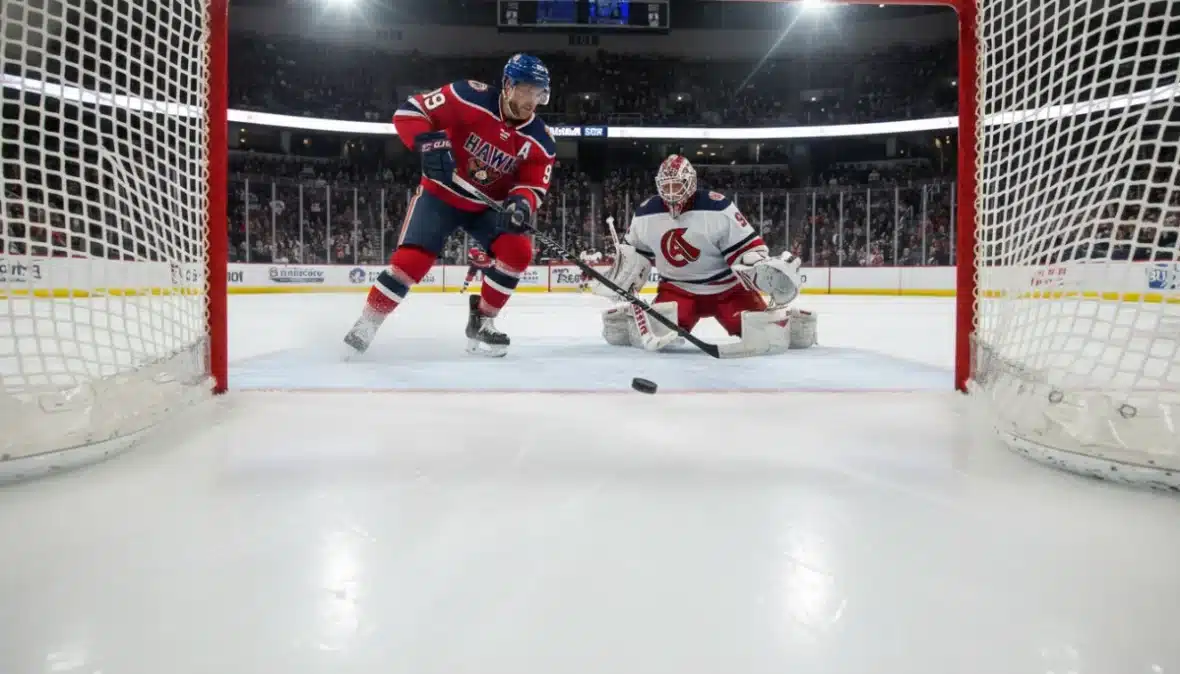
The Carolina Hurricanes entered Game 1 looking rested, sharp, and fully in control. They had cruised through the first two rounds without a loss, and the long break between series was supposed to give them another edge. Instead, the Montreal Canadiens walked into Raleigh and flipped the script with a 6-2 win that felt decisive almost from the opening shift.
For Montreal, the result was not just a hot night from a few scorers. It was a full response to the pace, pressure, and physical demands that had defined the Canadiens’ previous rounds. After surviving two brutal Game 7s, they played with urgency, attacked gaps quickly, and punished every Carolina mistake.
Early Damage Changed Everything
The Hurricanes got the first spark when Seth Jarvis scored only 33 seconds in. That should have settled the building and put Montreal on its heels. It did not. The Canadiens recovered almost immediately and turned a quick setback into a first-period avalanche.
Cole Caufield answered with the tying goal, and from that point the game began to tilt sharply. Montreal kept finding open ice behind Carolina’s pressure, and Phillip Danault cashed in on a clean transition chance to give the Canadiens the lead. A few minutes later, Alexandre Texier added another, and the visitors suddenly looked far more dangerous in every zone.
The sharpest moment came from Ivan Demidov. The rookie seized on a turnover, broke in alone, and finished with a composed move that left Frederik Andersen stranded. By the midway point of the first period, Montreal had scored four times and completely changed the mood of the game.
What the opening burst showed
- Montreal was ready to attack Carolina’s defensive aggressiveness.
- The Canadiens converted chances quickly and without hesitation.
- Carolina’s early lead did not lead to control.
- Momentum moved to Montreal faster than the home side could reset.
How Montreal Beat the Hurricanes’ Pressure
Carolina’s game is built on speed, puck pursuit, and relentless zone pressure. Under Rod Brind’Amour, the Hurricanes usually force opponents into hurried plays and poor exits. Montreal did the opposite of what many teams do against that style. Instead of panicking, the Canadiens moved the puck cleanly and looked for the centre lane whenever the first layer of pressure broke down.
That approach mattered because Carolina’s defence was pressing high. When those pinches missed, Montreal had space to attack in transition. The Canadiens used that space well, especially on breakouts, where short, accurate passes helped them escape the forecheck and turn defence into offence.
Jake Evans summed it up simply after the game: Montreal executed right away. That was the difference. The Hurricanes were not just beaten by skill; they were beaten by speed of decision and cleaner structure.
The Goaltending Gap Was Hard to Ignore
Frederik Andersen had been outstanding through the earlier rounds. His numbers were elite, and he had given Carolina the kind of stability every contender wants in May. Game 1, however, exposed how vulnerable a goalie can become when the team in front of him loses its shape.
Andersen faced constant stress, and Montreal kept making him move laterally and react in traffic. He finished with five goals allowed on 21 shots, which was a stark change from the calm performances that had defined his playoff run.
On the other side, Jakub Dobes absorbed the opening goal and then settled in. He stopped 24 of 26 shots and gave Montreal exactly what it needed: no panic, no drift, and no soft stretch after the early mistake. Once the Canadiens built their cushion, Dobes made sure Carolina never found a clean path back into the game.
Late Insurance and the Bigger Picture
Carolina did manage to get another goal through Eric Robinson, but by then Montreal had already taken control of the night. Juraj Slafkovsky made sure the game stayed out of reach with two third-period goals, including an empty-netter that completed the six-goal total.
Nick Suzuki also deserved a long look. He did not need to dominate the score sheet with goals to leave a mark. His three assists reflected how well he managed the game, kept Montreal’s pace steady, and fed teammates at the right moments.
Why this result matters
- Montreal proved it can beat a disciplined, top-seeded team on the road.
- Carolina learned that rest does not guarantee sharpness.
- The Canadiens showed they can turn turnovers into immediate offence.
- Game 2 now becomes a major response test for the Hurricanes.
What Comes Next
The Hurricanes are unlikely to sit still after a loss like this. They have too much structure, too much depth, and too much pride to simply repeat the same performance. Expect them to tighten their gap control, sharpen their puck support, and try to slow Montreal’s transition game in Game 2.
Still, the message from Game 1 is clear. Montreal is not hanging around by accident. The Canadiens looked prepared, confident, and dangerous from the moment the game became open. If they keep that edge, this series may become far more difficult for Carolina than anyone expected.
